.webp)




The bladder and its function
The bladder is a muscular organ and is located in the small pelvis between the ureter and the urethra. It is connected to the kidneys via the ureters. Among other things, the kidneys ensure that the body is cleansed of toxic substances. The urethra connects the bladder to the outer opening of the urinary tract.The bladder can store between 500ml and 1000ml of urine. The release of urine is usually controlled by an interplay of muscular tension and relaxation. It is precisely this interplay of muscles that is often disturbed in MS patients.
Bladder function is controlled by relatively long nerves. Accordingly, these nerves offer a particularly large surface area for MS-related inflammatory foci. The interaction between the bladder and the central nervous system is disrupted, as demyelination of the nerves takes place. This means that the transmission of nerve impulses is impaired. Because the damage to the nerve cells can be different for each person affected, there are also different types of bladder dysfunction.
Types of bladder dysfunction
Bladder dysfunction is generally divided into three different types:
The overactive bladder
The bladder mistakenly receives a command from the brain to empty itself, even though it is not yet sufficiently full. As a result, those affected have to urinate more frequently. On the one hand, this false command can lead to the bladder only releasing a small amount of urine. On the other hand, involuntary loss of urine, also known as incontinence, can also be possible. This overactive bladder is the most common bladder dysfunction in MS patients.
Incomplete bladder emptying
With incomplete bladder emptying, the bladder wall muscles or the urethral sphincter do not build up enough tension. This can lead to delayed bladder emptying and residual urine remaining in the bladder. With this bladder dysfunction, the urine stream is usually weaker than normal and the process of urination is ended prematurely. In addition to this premature cessation of urination, incontinence can also occur.Incomplete bladder emptying is associated with an increased risk of bladder and urinary tract infections, as the residual urine in the bladder provides a breeding ground for bacteria. This manifests itself, for example, as burning or flank pain when urinating. Urinary tract infections can become chronic, which is why treatment for bladder dysfunction should be started early.
The combined bladder dysfunction
The third and final bladder dysfunction is the combined dysfunction. In this case, the interaction between the muscles that expel urine and the bladder closure muscles is impaired. This can lead to a combination of a voiding disorder, but also to an increased or premature urge to urinate.
To avoid long-term damage, it is important that the symptoms are recognized and treated early. It is therefore very important to speak to a doctor at the first symptoms.
Treatment approaches for bladder dysfunction: What helps?
A distinction can be made between drug and non-drug therapy for bladder dysfunction.
Medical approaches for bladder problems
Different classes of drugs are used to treat the symptoms.
In patients with overactive bladder, anticholinergics can be used to reduce the symptoms. Anticholinergics inhibit the effect of the body's own messenger substance acetylcholine, which transmits nerve impulses in the nervous system. As a result, anticholinergics cause the bladder to relax, among other things. Comparative studies have shown that the use of anticholinergics often leads to a reduction in daily urgency periods and visits to the toilet and that patients are able to improve their quality of life [1]. The beta-3 receptor agonist mirabegron can also be used to treat overactive bladder.
Alpha channel blockers are used for the treatment of incomplete bladder emptying with residual urine formation. This active ingredient helps the bladder muscles to relax.
The urge to urinate can also be suppressed by desmopressin. This helps those affected to sleep through the night. Sleep is no longer interrupted by the active ingredient, as there is no need to go to the toilet. However, this medication also has side effects such as weakness, hot flushes and headaches.
Acute bladder infections or urinary tract infections are treated with antibiotics. However, repeated bladder infections can contribute to a worsening of MS. It is therefore very important to always drink enough (at least 2 liters of water and unsweetened teas a day). Drinking enough prevents acidification of the urine in the bladder, as this inhibits bacterial growth.
Alternative approaches for bladder problems
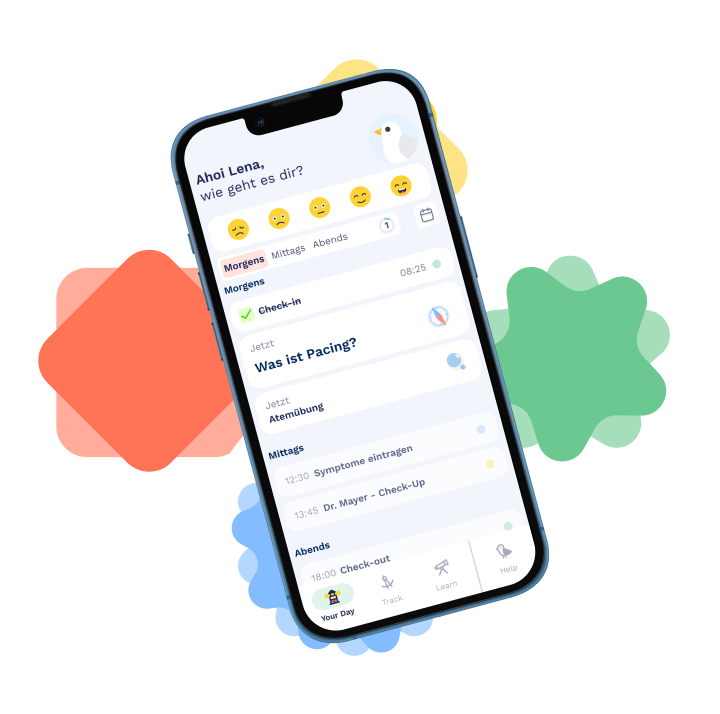
As we mentioned above, it is essential to drink enough. A diary, e.g. in the Fimo Health App, can help you keep an eye on your water balance. Additional reminder functions can be used to drink something regularly. If you are out and about frequently or for long periods, you should also plan regular and preventative visits to the toilet.
Tip: The EURO key to accessing disabled toilets:
Need to use the toilet on the go? This can be a difficult undertaking when you are traveling or similar. With the Euro toilet key, owners of such a key have access to over 12,000 disabled toilets, for example at highway service stations, train stations, museums and public authorities - throughout Europe, but not everyone is entitled to this key.
People with severe disabilities are eligible, as are chronic illnesses such as ulcerative colitis or multiple sclerosis patients. This key costs around 30 euros and those affected need a doctor's certificate of their illness to apply for this key. The key can be ordered with an existing certificate.
Good pelvic floor training can also strengthen the muscles so that the symptoms can be alleviated. In the case of very severe symptoms, such as large residual amounts of urine, self-catheterization or permanent catheters can also be considered.


